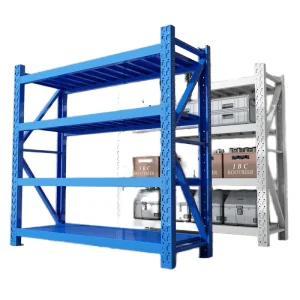
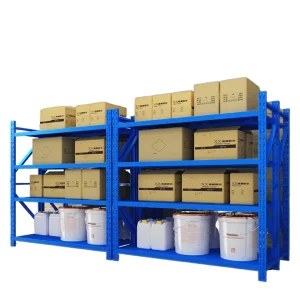
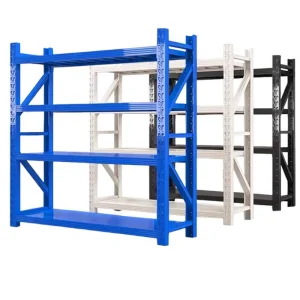
Heavy-duty, adjustable, and custom-configured racking solutions designed to survive rigorous distribution cycle demands.
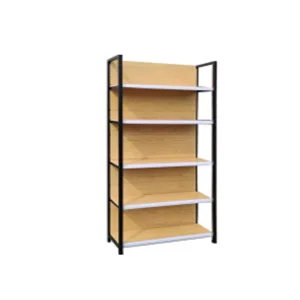
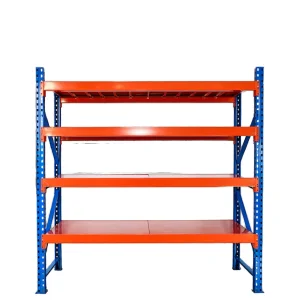
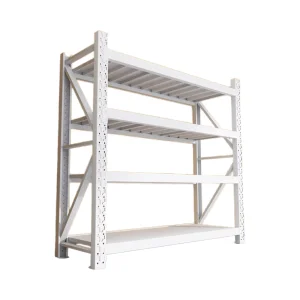
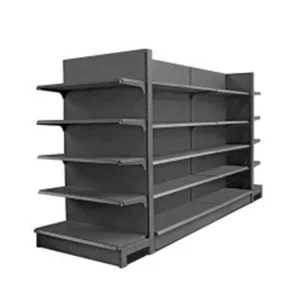
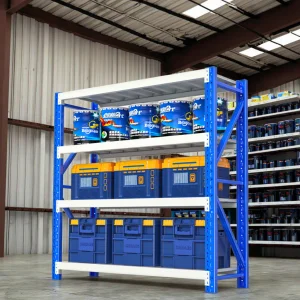
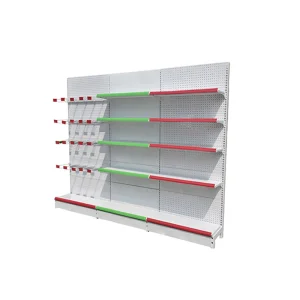
The global industrial footprint of warehousing infrastructure is facing an unprecedented transformation. Driven by the dynamic demands of cross-border e-commerce, real-time inventory management, and localized rapid distribution, physical storage assets are no longer simple static rooms. They are active nodes within dynamic, data-driven value networks. According to global logistics infrastructure analysis, the efficient layout and high reliability of mechanical storage racks are direct contributors to localized operational productivity, cost containment, and long-term business survivability.
With warehouse space costs rising steadily in key economic hubs across North America, Europe, and Asia-Pacific, structural vertical storage efficiency is critical. Organizations must implement heavy-duty pallet racking systems and modular steel shelving to convert low-yield horizontal footprint areas into high-yield, vertical cubic volume. Standard warehouse spaces are being redesigned with high-bay, double-deep, and automated storage/retrieval system (AS/RS) ready metal layouts that minimize transit bottlenecks while optimizing product load safety.
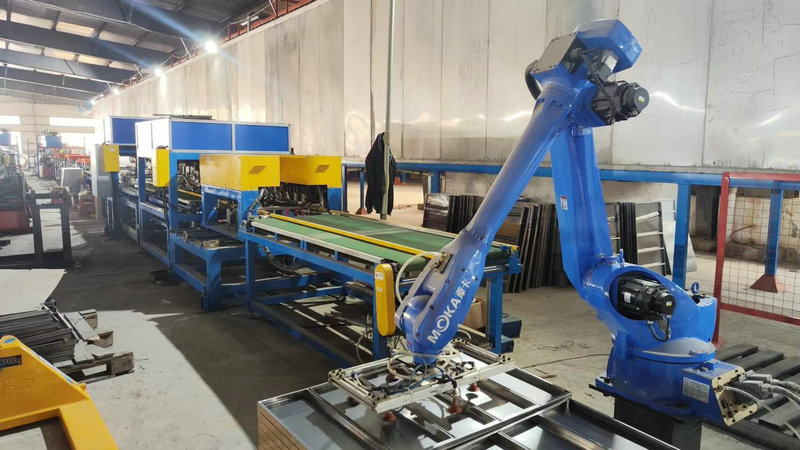
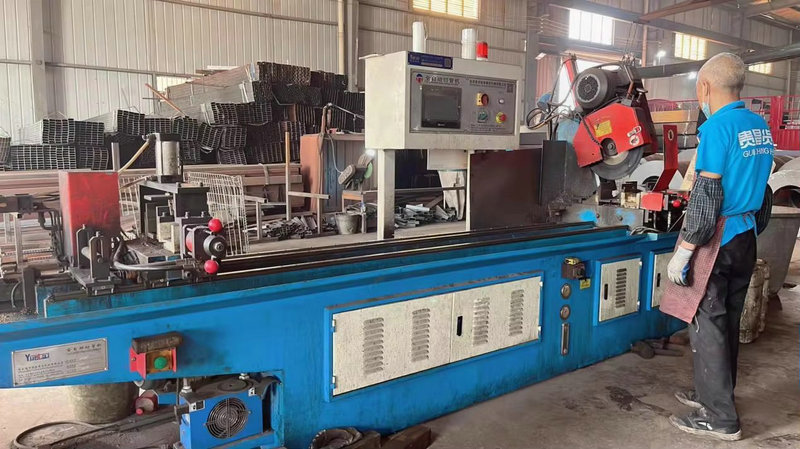
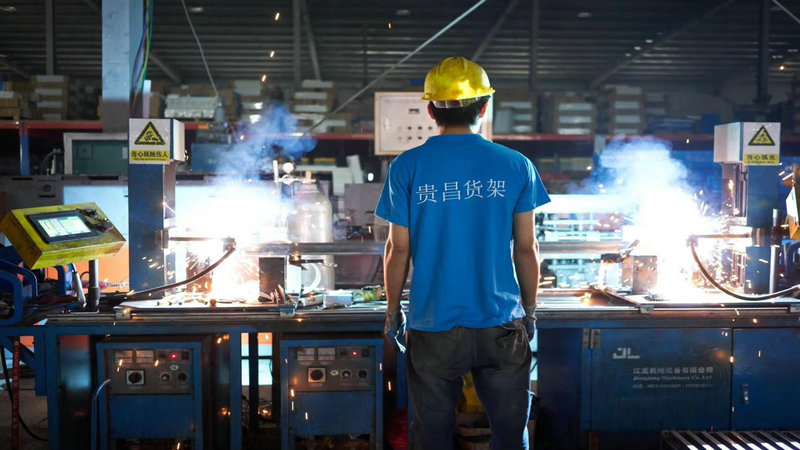
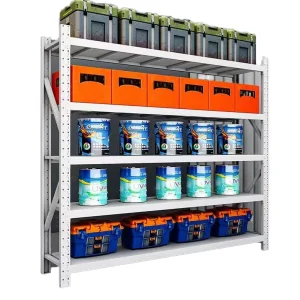
From an structural integrity perspective, the material composition of modern racks plays a vital role. Quality racking systems rely on raw carbon steel profiles (such as Q235B steel) cold-formed to survive load capacities exceeding 3,000kg to 5,000kg per level. Ensuring reliability requires professional structural engineering, strict steel grade consistency, robotized arc welding precision, and uniform powder-coating protection to prevent rust and material degradation over years of heavy forklift impact and load rotation cycles.
Modern Manufacturing Facility
Annual Export Value
Industrial Design Experience
Certified Quality Audits
The design philosophy of logistics storage equipment has evolved. Today, high-performance hardware structures are built with modular designs, hybrid structural components, and readiness for future automation. Industry progress highlights several critical pathways:
Conventional pallet racks are transitioning into integrated high-tolerance structures capable of housing automated shuttle carts, vertical elevators, and robotic arm loading platforms. Dynamic racking requires millimetric structural precision, as automated systems depend on precise alignment to retrieve and locate heavy pallets at high operating speeds.
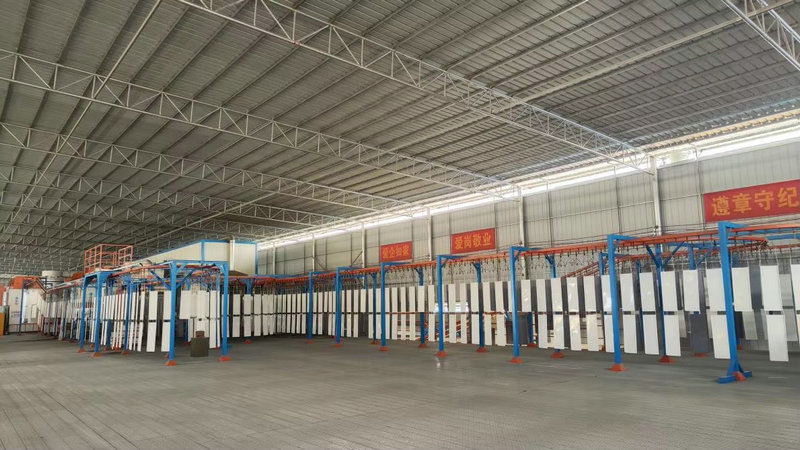
Green supply chain initiatives demand components with minimal ecological impact. Advanced electrostatic powder coating lines now use non-volatile organic compounds (VOC-free) to provide excellent resistance to chemical exposure, mechanical scratches, and moisture. This is especially vital for cold-chain systems where temperature swings lead to persistent condensation.
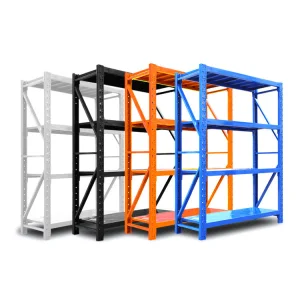
Fixed, single-purpose configurations are being replaced by boltless racking systems, adjustable beam holes, and customizable frame sizes. Modern facilities require structures that can be quickly adapted, extended, or reconfigured with minimal warehouse downtime to support shifting commercial SKU structures.
A global leader in structural metal design, precision storage manufacturing, and industrial-grade warehouse racking solutions.
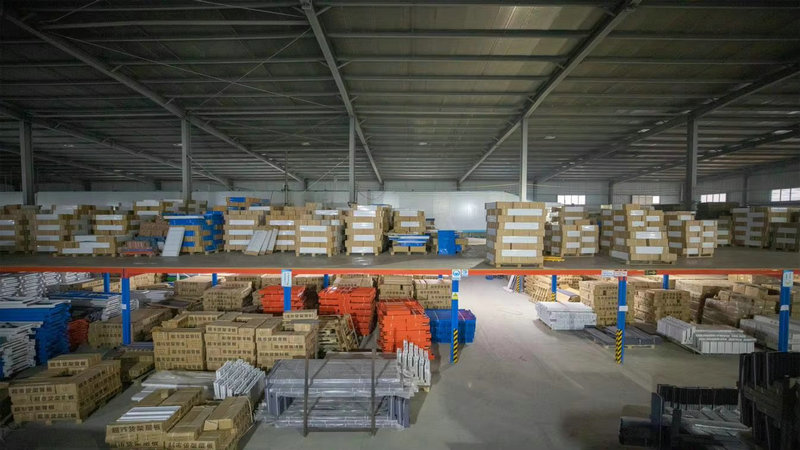
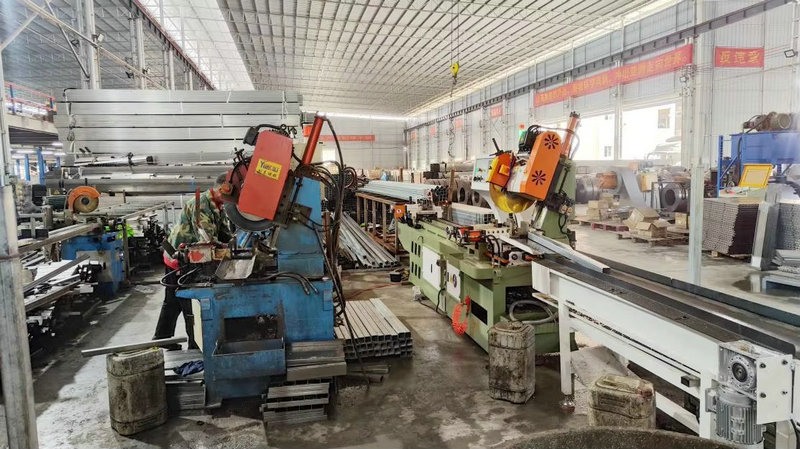
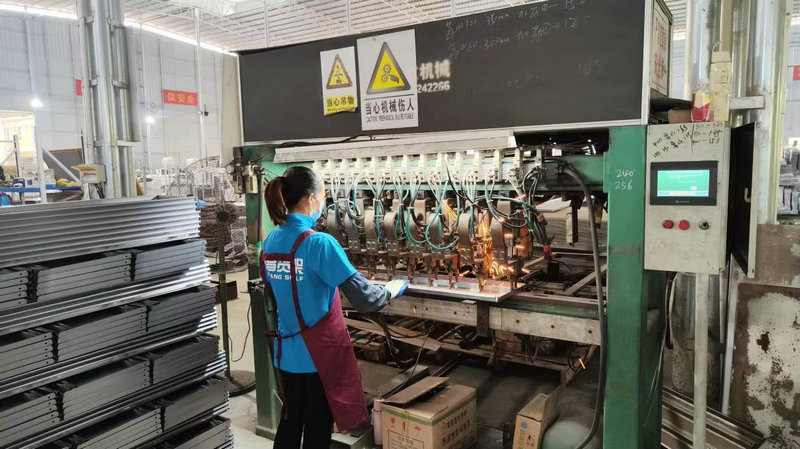
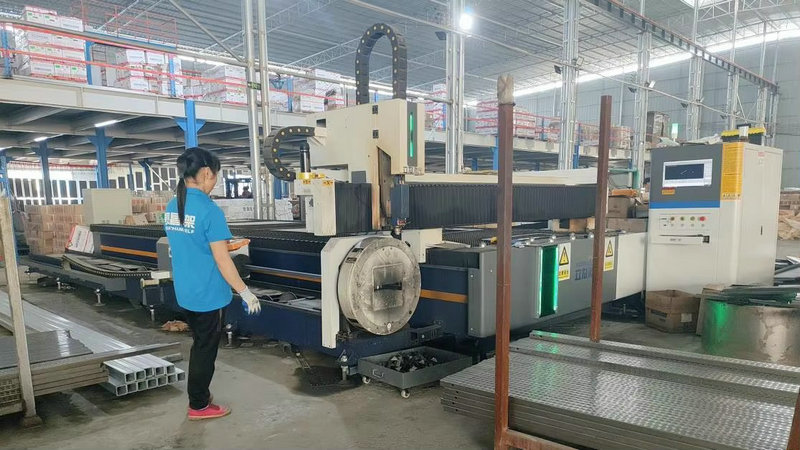
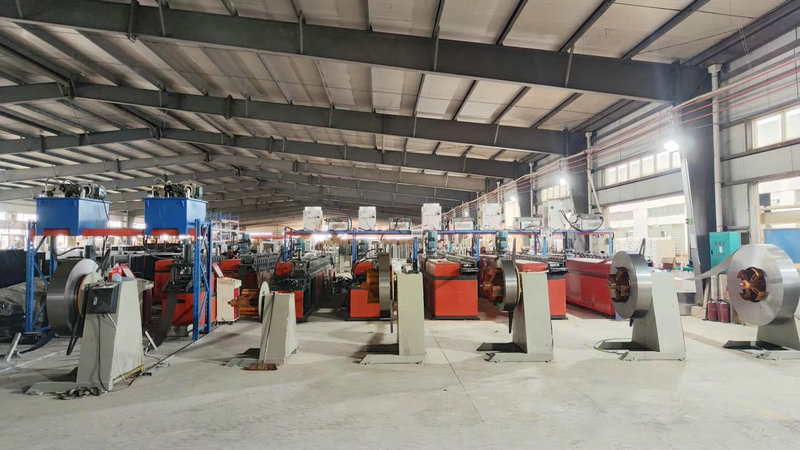
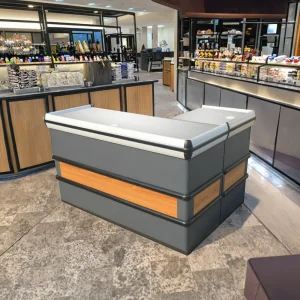
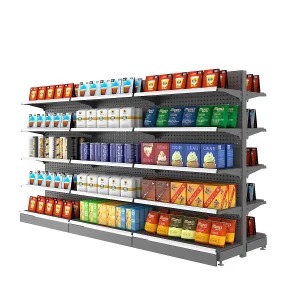
Established in 2016, Guangdong Guichang Metal Racks Trading Co., Ltd. is a specialized, ISO 9001:2015 certified manufacturer dedicated to the engineering, production, and worldwide distribution of top-tier industrial storage racking systems and commercial display shelving. Operating from our advanced manufacturing facility covering 18,500㎡, we combine material expertise, automated manufacturing lines, and deep structural engineering to provide solutions that optimize warehouse capacity, safety, and inventory accessibility.
With an annual export revenue of approximately USD 18 million and over 8 years of export experience, we have developed a deep understanding of standard logistics systems, compliance protocols, and safety norms across international markets. Our design team brings 12 years of industry experience to every project, optimizing raw material use to design high-strength storage structures that deliver long-lasting value.
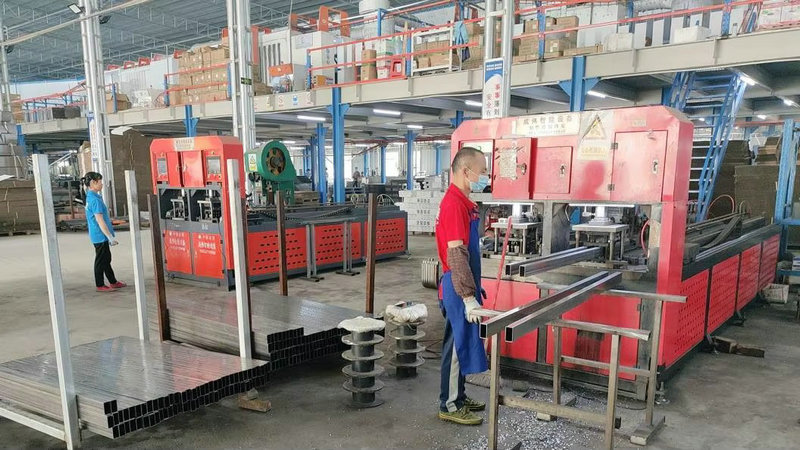
Quality assurance is embedded in every step of our manufacturing workflow. Every batch of cold-rolled steel undergoes raw material inspection, advanced structural welding tests, surface treatment evaluation, load-bearing tests, and rigorous finished product inspection. Using high-precision dimensional measurements, paint thickness tests, and impact tests, our quality control team of 45 professional inspectors guarantees that every rack delivered complies with international load and safety standards.
Supported by a reliable network of over 850 strategic raw material suppliers and global partners, we maintain uninterrupted supply chain integrity. We offer extensive customization services (including customized dimensions, targeted load capacities, unique structural profiles, and bespoke paint colors) to partners in North America, Europe, Southeast Asia, the Middle East, and South America. Driven by innovation, our R&D department of 18 professional engineers designs new solutions to meet shifting market trends, introducing 320 new products annually.
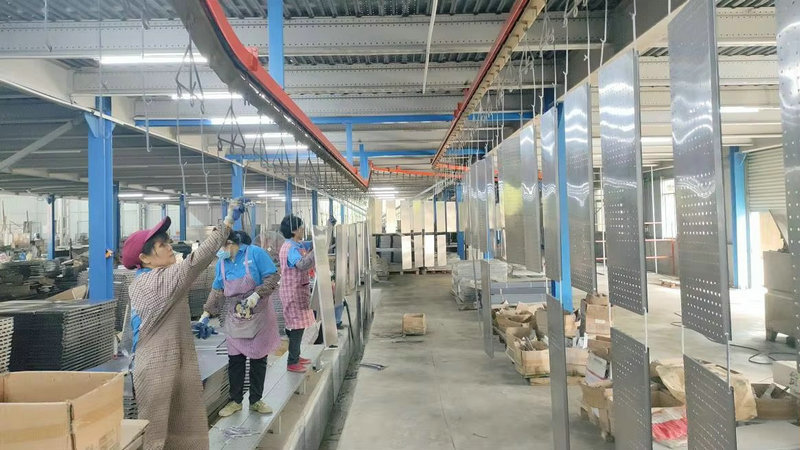
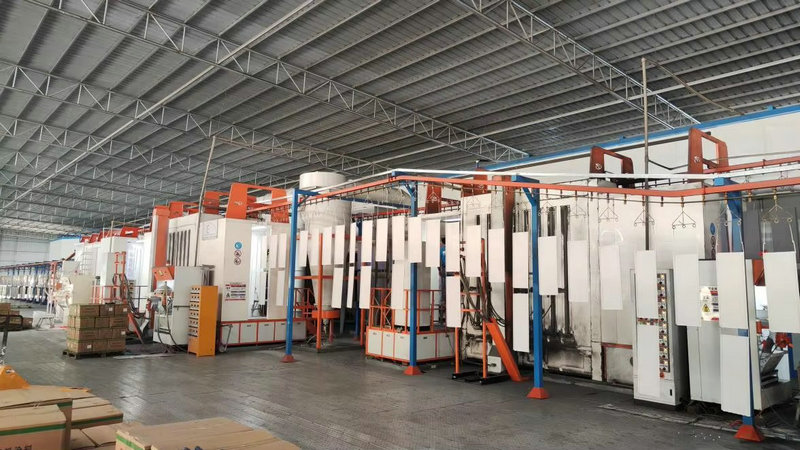
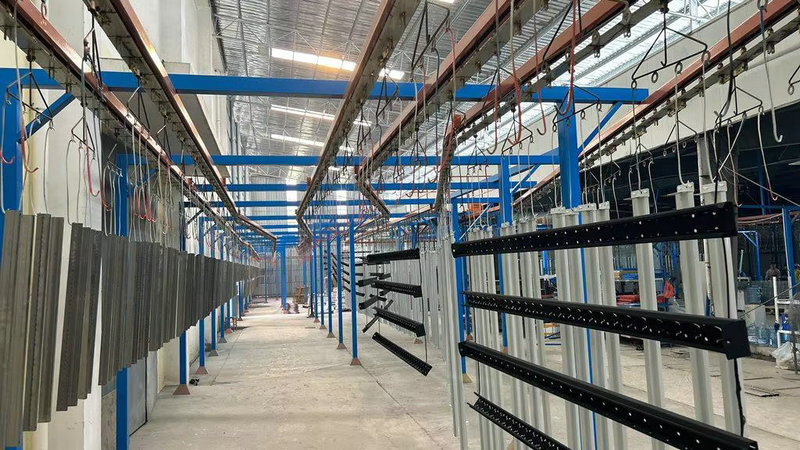
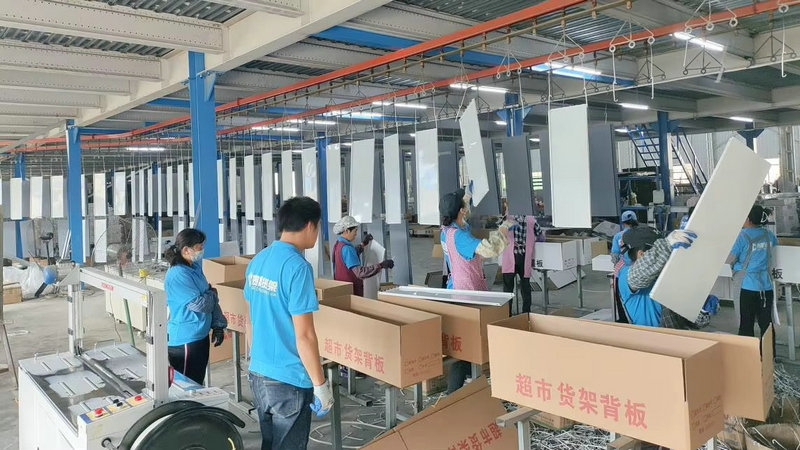
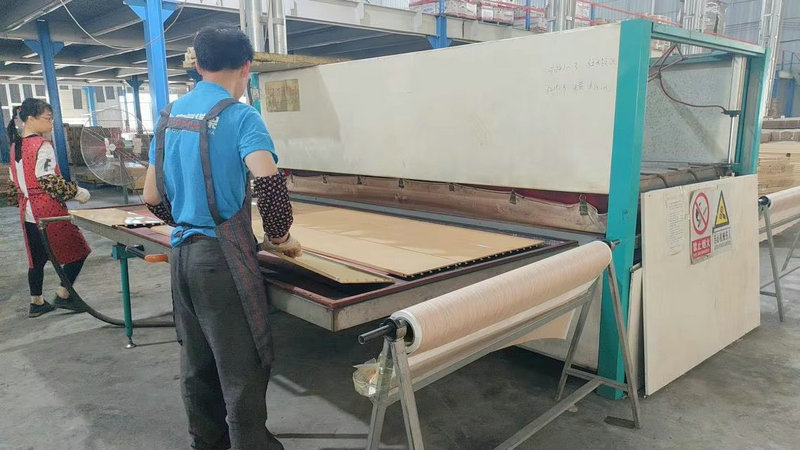
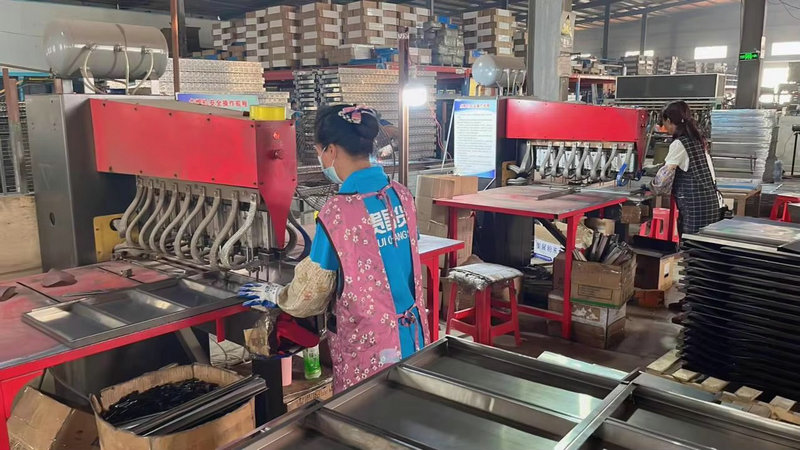
A visual look inside our manufacturing processes, including automatic roll-forming, robotic welding, laser cutting, and advanced powder-coating lines.
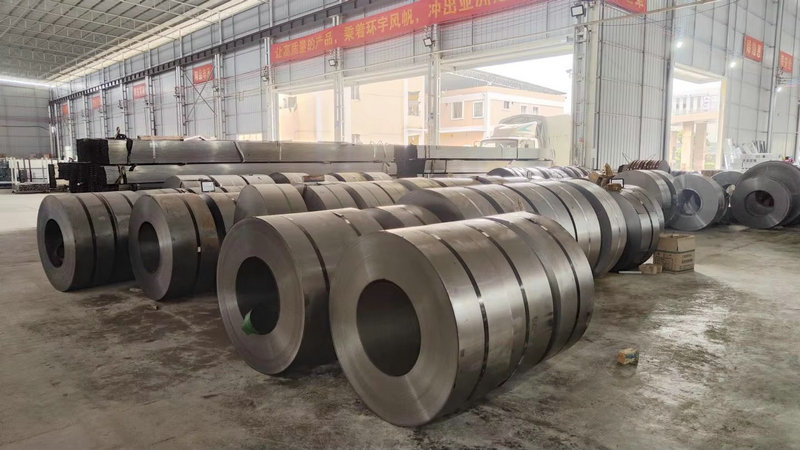
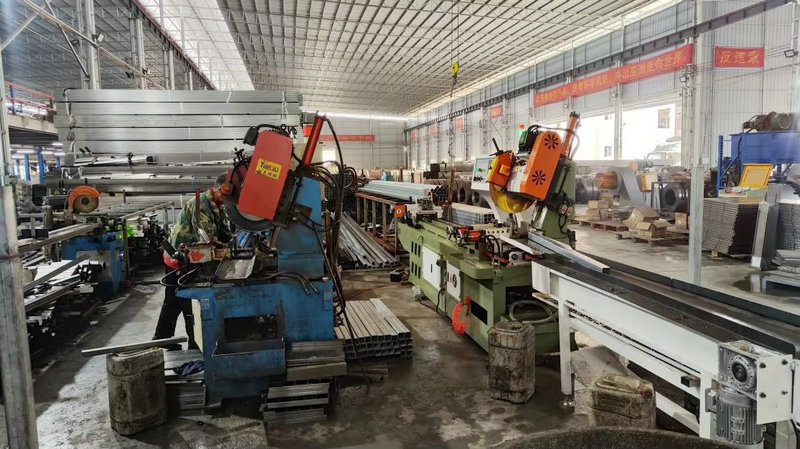
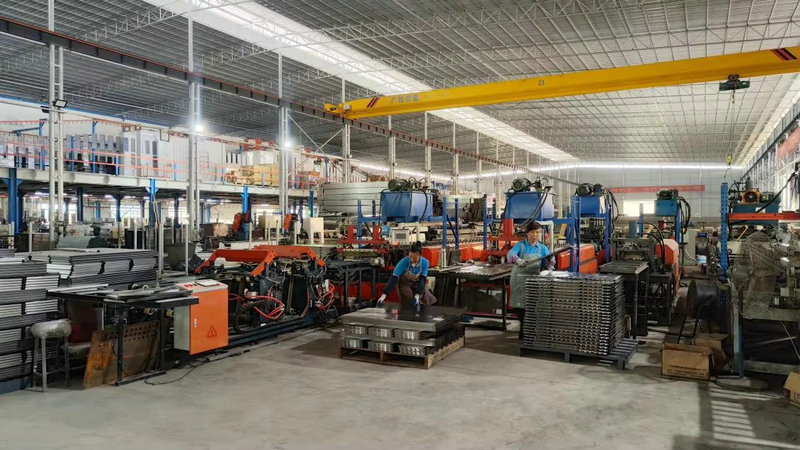
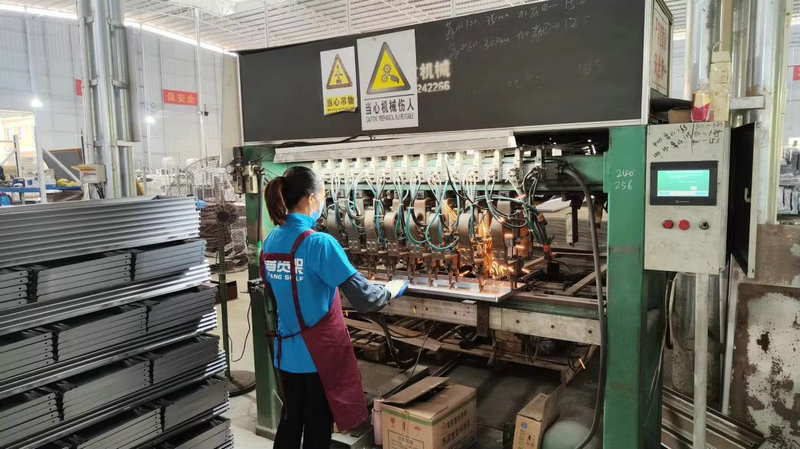
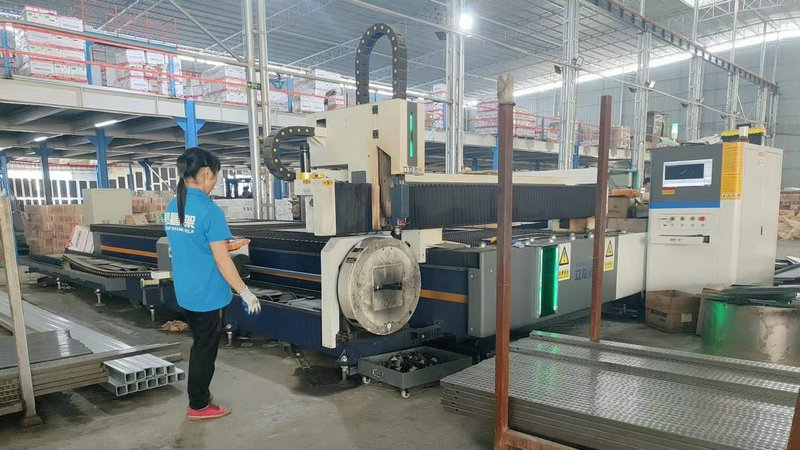
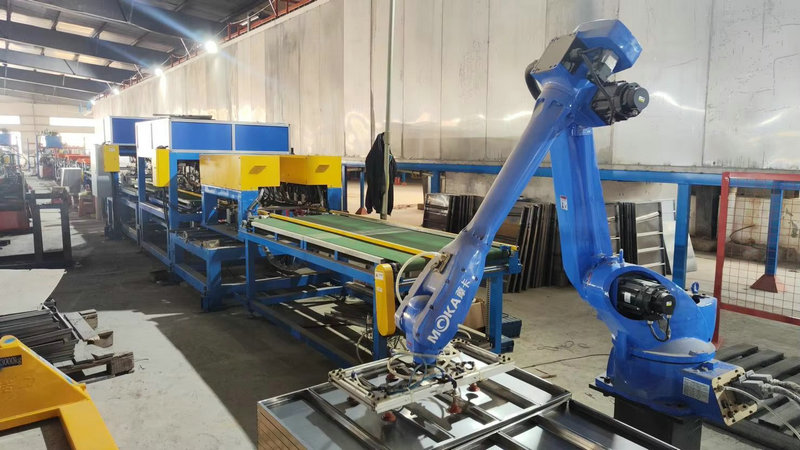
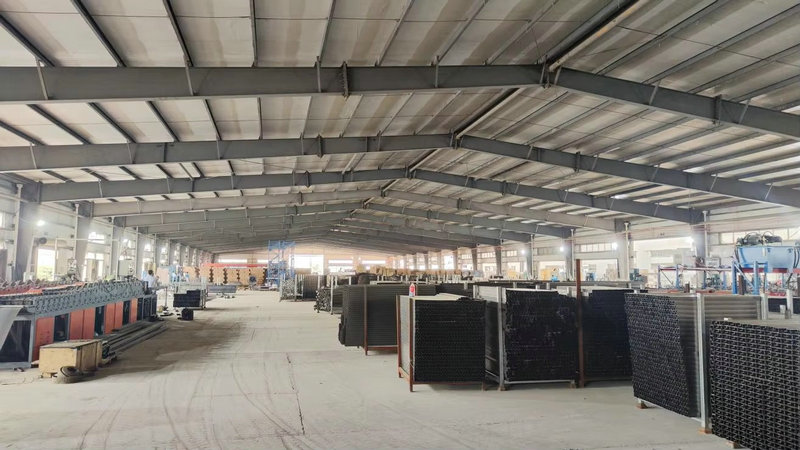
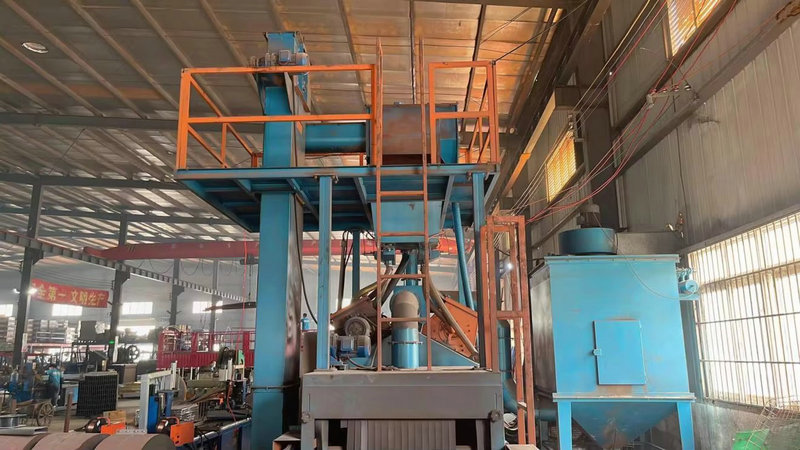
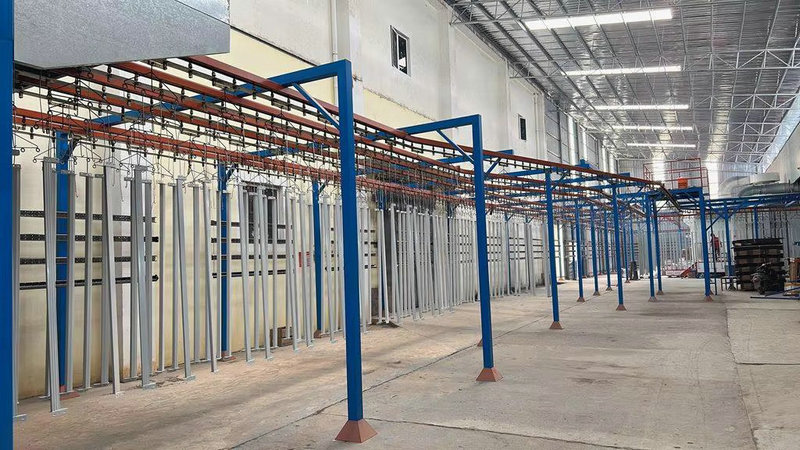
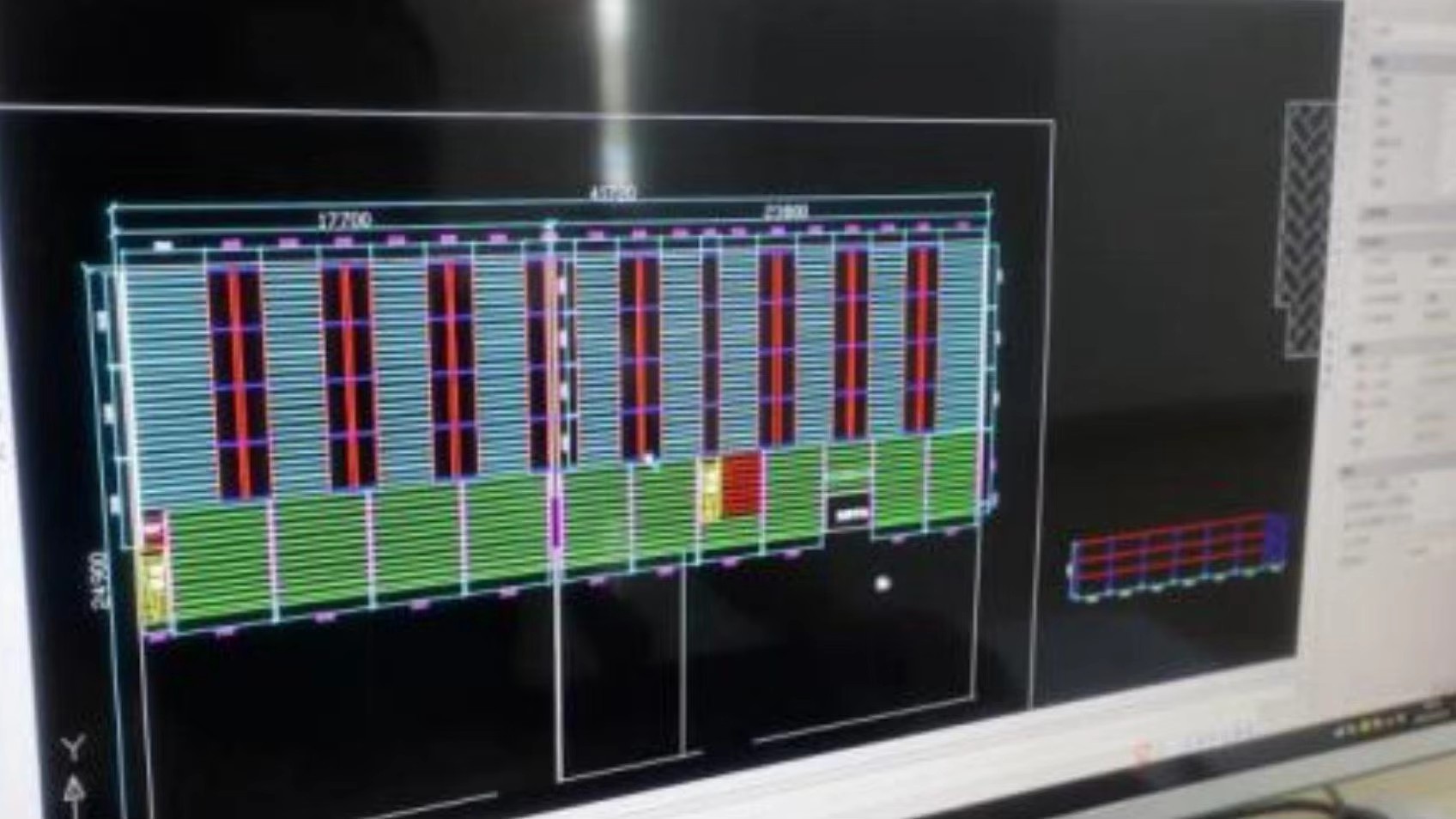
Industrial storage solutions must meet the regulatory and practical demands of specific operating environments. Standardized systems often fail when facing variable temperature requirements, custom consumer packaging, or heavy material sizes. Below is how we adapt configurations to meet specific localized operational realities:
Over the next decade, industrial storage will transition from simple steel supports into active, intelligent components of the supply chain network. The evolutionary roadmap points toward several key milestones:
Embedding strain gauges and IoT-enabled weight sensors directly into critical upright beams. Racks will send real-time structural health telemetry, automatically alerting operations if a pallet exceeds capacity limits or if a forklift impact compromises structural safety.
Linking physical racking layouts with interactive Digital Twin software. Managers can simulate weight distribution shifts, test layout changes digitally, and optimize warehouse workflows before moving a single pallet in the physical facility.
Developing lightweight, ultra-high-tensile steel formulations that offer similar load support using less metal. Combined with 100% circular, carbon-neutral manufacturing processes, this approach minimizes the environmental footprint of large warehouse operations.
Expert insights on selecting, installing, and maintaining industrial-grade racking systems.
Load capacity is defined by raw steel thickness, upright profile dimensions, and the vertical distance between beam levels. Adding more space between beams increases structural leverage, requiring a reduction in maximum load ratings. Always consult load capacity charts provided by our engineering team to ensure safe operations.
We use high-alloy structural steel profiles combined with multi-layer powder coatings. This creates a non-porous barrier that prevents condensation and moisture from contacting the steel, protecting against rust even in varying temperature environments.
Yes. Our R&D team consists of 18 professional engineers who customize racking systems based on your facility layout, material flow requirements, load weights, and handling machinery specifications.
We strictly follow ISO 9001:2015 quality management standards. From steel grade verification and automated robotic welding inspection to coating thickness tests and load capacity verification, our quality control team of 45 inspectors monitors every production step.
Lead times range from 25 to 45 days, depending on configuration complexity and order volume. Backed by 850 strategic partners, we maintain a stable material supply chain to ensure consistent, timely delivery.
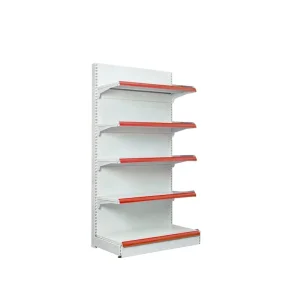
Boltless shelving uses interlocking keyhole brackets that speed up assembly and reconfiguration. It is perfect for light to medium-duty retail displays, while heavy-duty warehousing applications still rely on structural bolt-secured connections for maximum stability.
Heavy-duty, adjustable, and custom-configured racking solutions designed to survive rigorous distribution cycle demands.
 Guichang Metal Racks